STelligence AI Solution Day 2026: The Next Phase of Enterprise AI
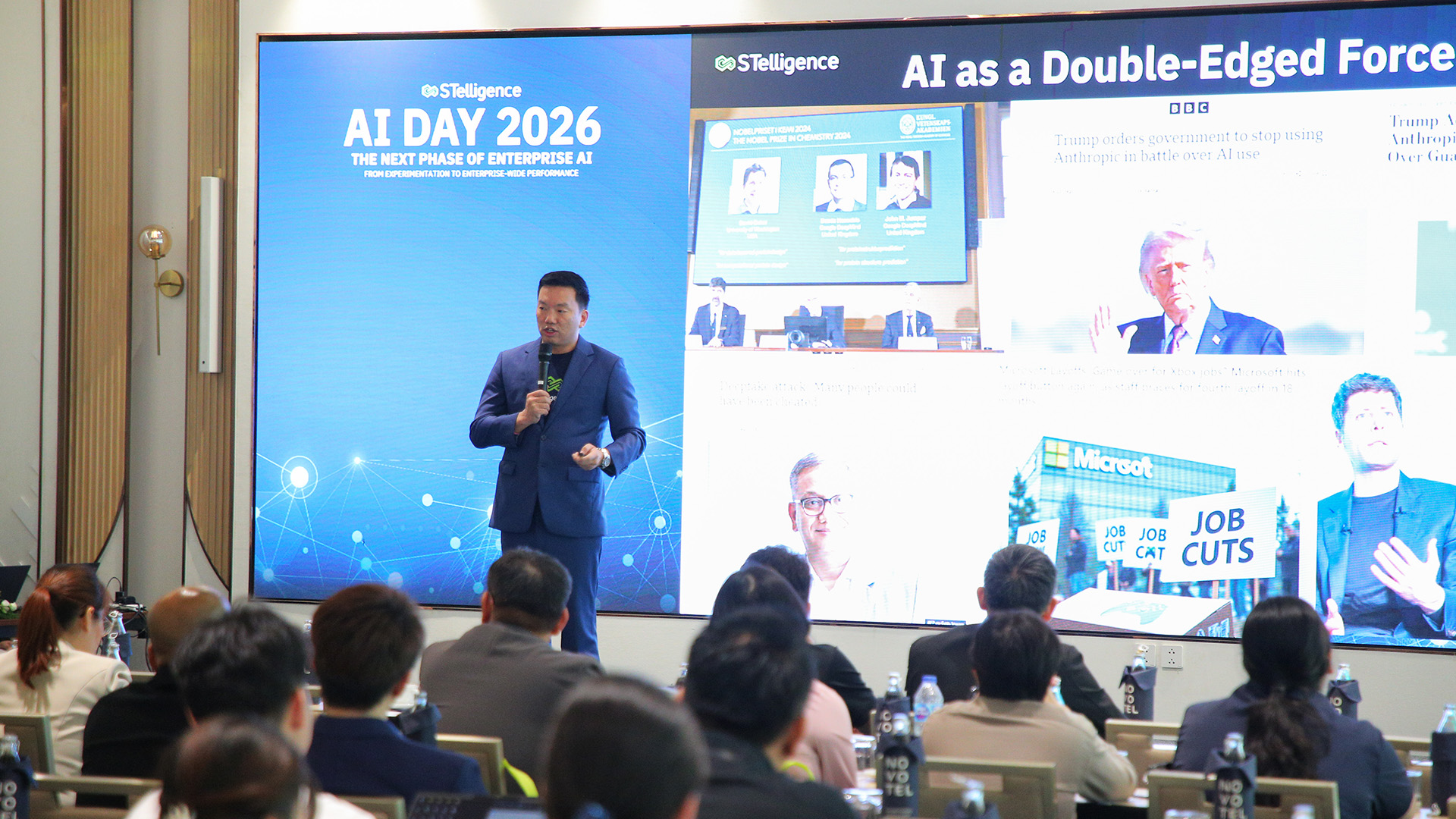
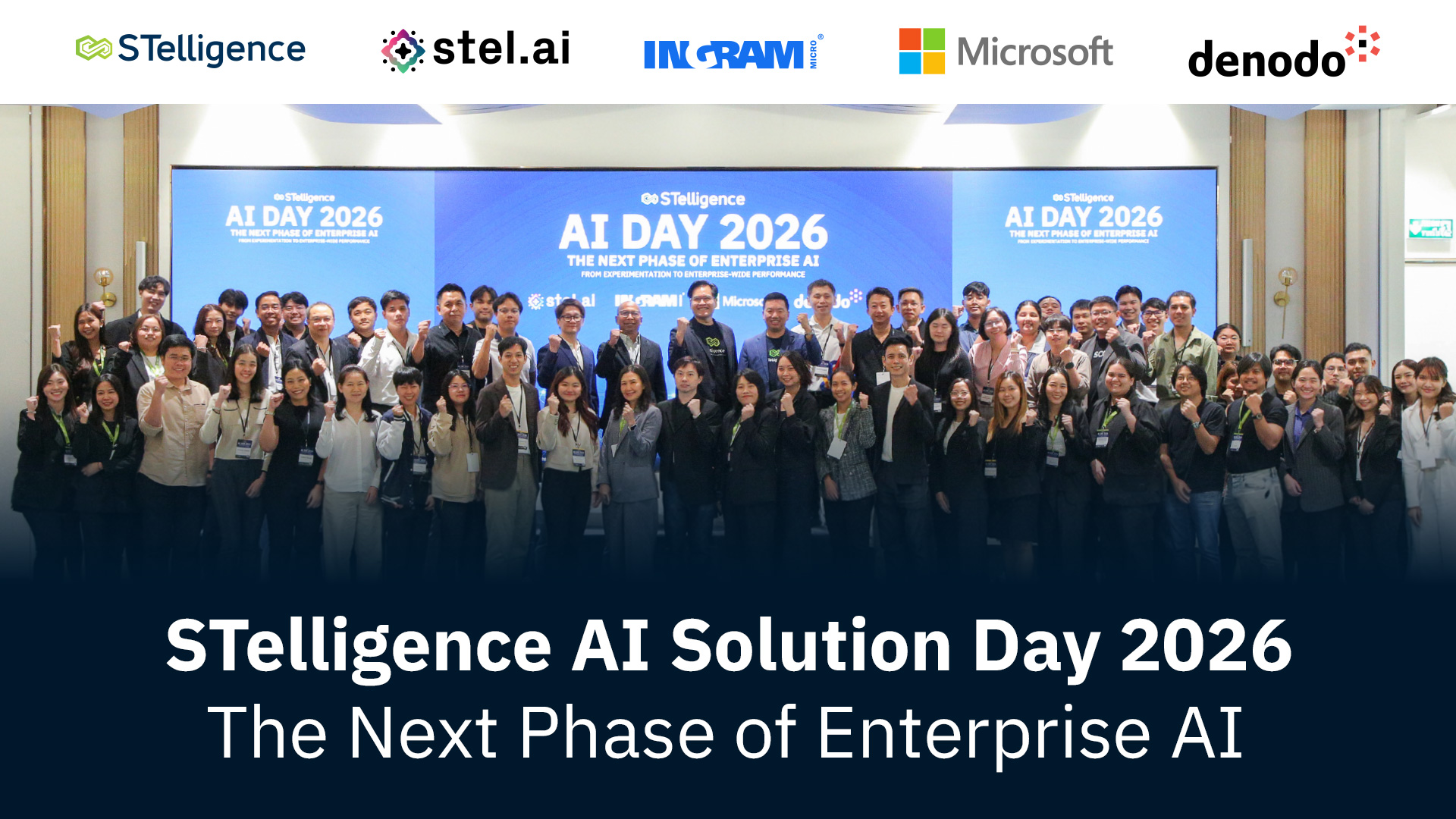
On March 5, 2026, STelligence Co., Ltd. hosted STelligence AI Solution Day 2026 | The Next Phase of Enterprise AI under the theme “From Experimentation to Enterprise-Wide Performance.”
The event brought together enterprise leaders, technology experts, and policy stakeholders to exchange perspectives on the evolving role of AI in shaping the next phase of organizational transformation.
Over the past several years, many organizations have begun their AI journey through pilot initiatives and experimentation. Today, however, the challenge has shifted. The key question is no longer how to build AI models, but how to operationalize AI across the enterprise to generate meaningful and measurable outcomes.
This year’s event explored the transition from AI experimentation to Enterprise AI, where artificial intelligence is rapidly becoming a core foundation for decision-making, operations, and competitive advantage.
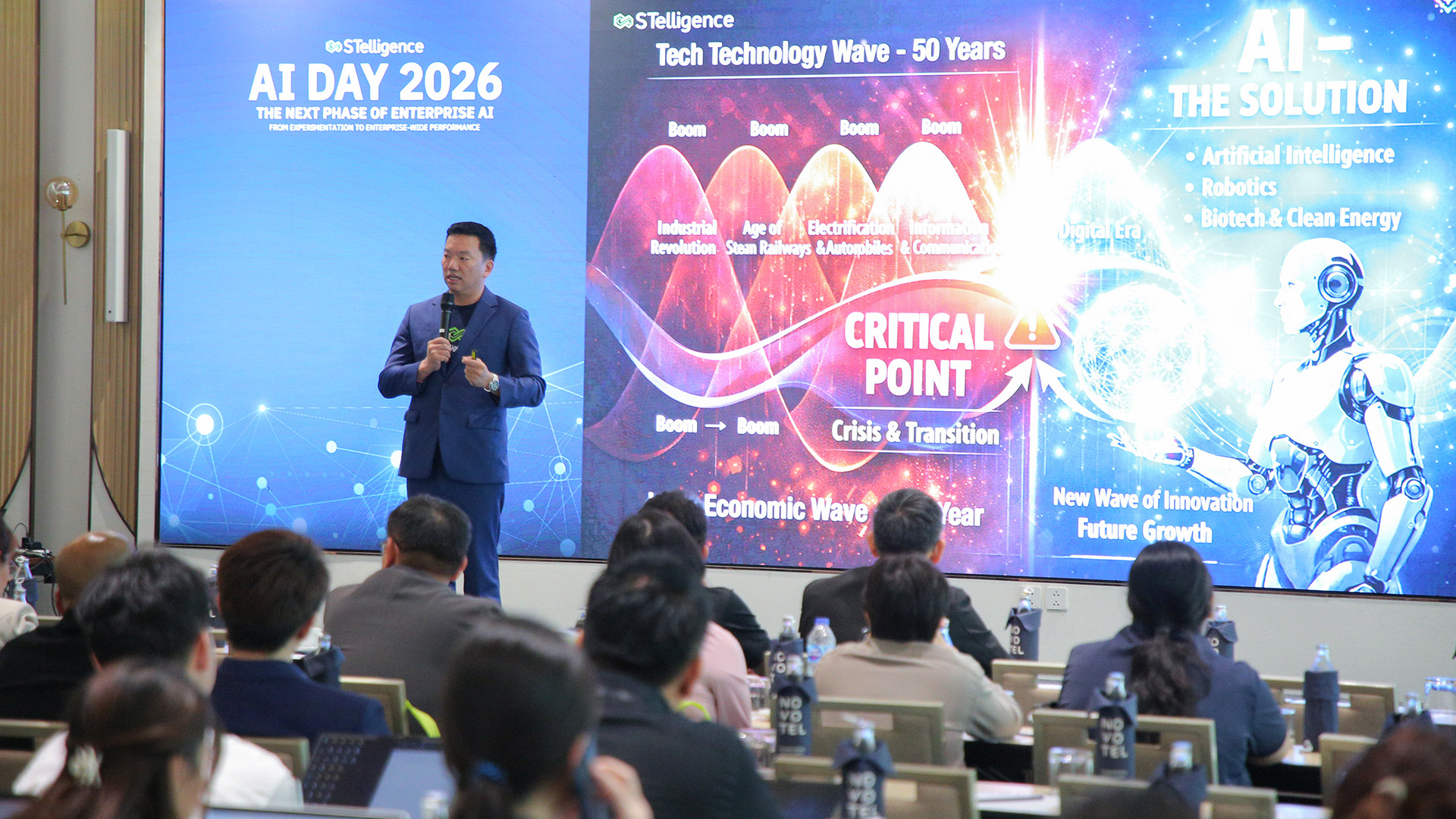
When AI Moves to the Enterprise Level
In the opening session, Dr. Santisook Limpeeticharoenchot, CEO of STelligence, highlighted the evolving role of AI within organizations. AI technologies are moving beyond generative capabilities toward systems that can analyze, reason, and support decision-making across enterprise workflows.
“The competitive landscape today is no longer defined by whether organizations have AI,” he noted. “It is about redefining Enterprise Intelligence by integrating human expertise, data, and technology to drive sustainable growth.”
This perspective reflects a broader shift in how organizations approach AI. Successful Enterprise AI initiatives are not built around models alone, but around an integrated organizational system that enables data and AI to work together effectively.
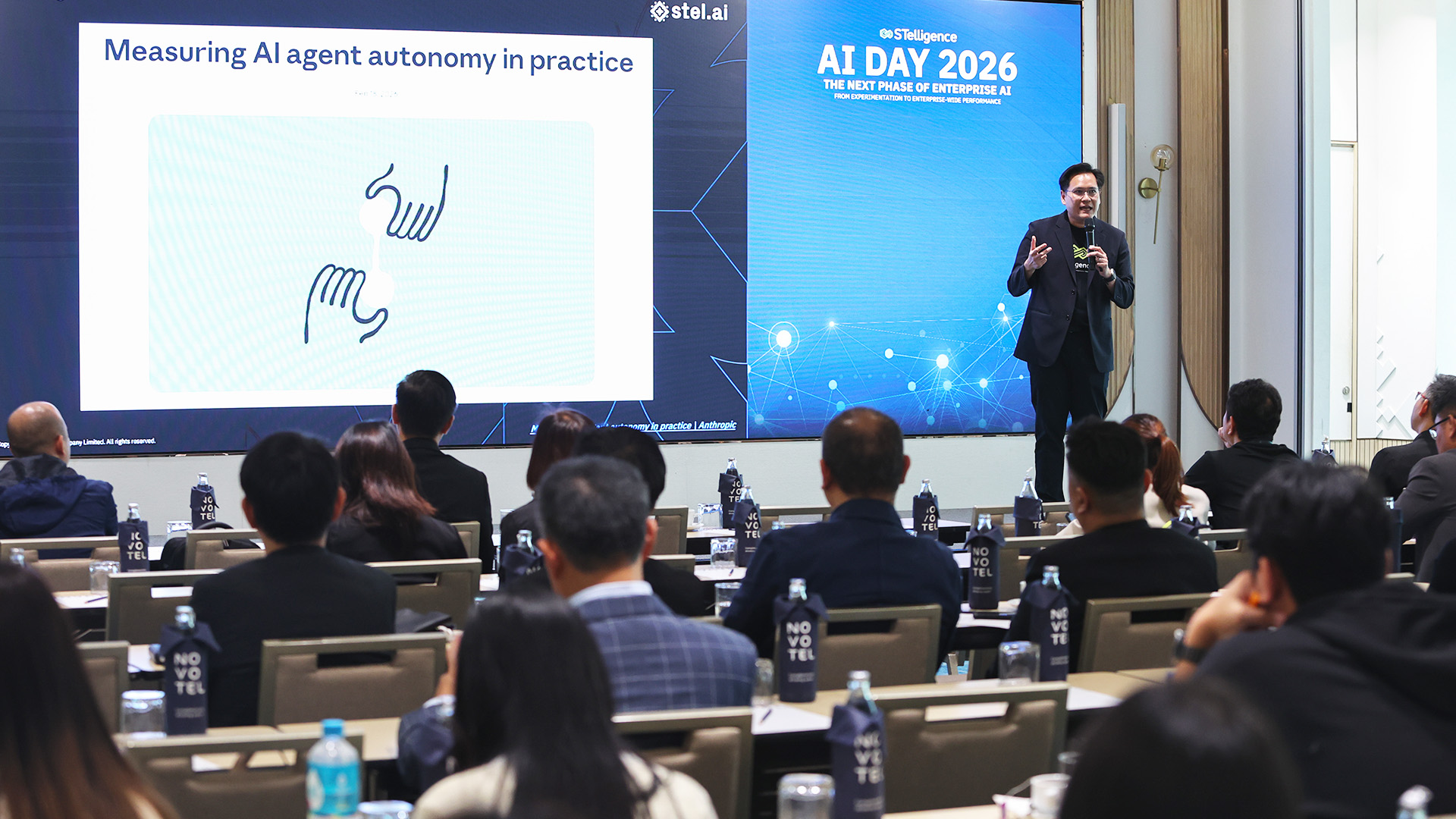
Key Enablers of Enterprise AI
Throughout the event, discussions highlighted that deploying AI at the enterprise level requires multiple components working together.
AI at Scale
While many organizations begin their AI journey with pilot projects, only a limited number successfully scale these initiatives across the enterprise.
Achieving AI at scale requires several foundational elements:
- Strong data readiness and high-quality data
- Scalable enterprise architecture
- Leadership commitment at the executive level
- Workforce capabilities that enable employees to collaborate with AI
In this context, AI is no longer simply a technology initiative—it is becoming a strategic organizational capability.
Trusted AI and Governance
Another key theme discussed during the event was trust, particularly in scenarios where AI supports high-impact decisions.
Enterprise AI systems must therefore incorporate:
- Traceability, enabling transparency into how results are generated
- Robust data governance frameworks
- Human oversight in critical decision-making processes
Trust is not simply a feature of AI systems—it must be designed into the architecture of enterprise AI solutions from the beginning.
Data Foundation
Across multiple sessions, one consistent conclusion emerged: AI can only deliver meaningful outcomes when organizations build a strong data foundation.
Effective data management, integration across enterprise systems, and clear business context are essential for AI systems to generate accurate and reliable insights.
Organizations that manage their data effectively are better positioned to unlock the full potential of AI and build long-term competitive advantage.
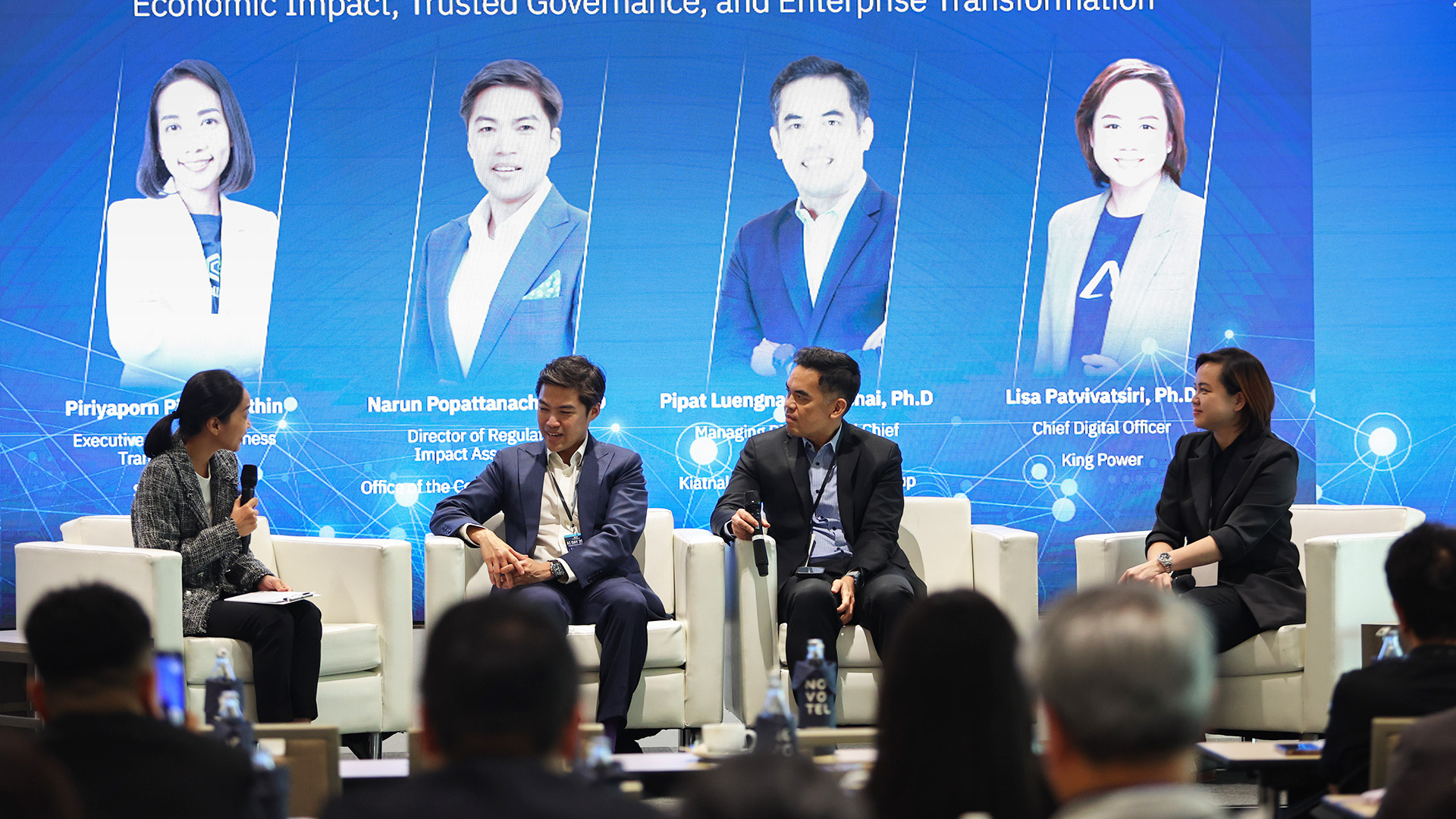
Panel Highlight: AI at Scale
One of the highlights of the event was the panel discussion:
“AI at Scale: Economic Impact, Trusted Governance, and Enterprise Transformation.” The session was moderated by Piriyaporn Pimvathin, Executive Partner for Business Transformation at STelligence, and featured experts from the economic, policy, and enterprise sectors:
- Dr. PipatLuengnaruemitchai, Managing Director and Chief Economist, Kiatnakin Phatra Financial Group
- Dr. Narun Popattanachai, Director of Regulatory Impact Assessment, Office of the Council of State (OCS)
- Dr. Lisa Patvivatsiri, Chief Digital Officer, King Power
Panelists shared insights on the role of AI in driving economic productivity, strengthening enterprise competitiveness, and the importance of establishing appropriate governance frameworks for responsible AI adoption.
A key takeaway from the discussion was that organizations and countries that build strong data infrastructure and clear AI governance frameworks will be best positioned to unlock the transformative potential of AI.
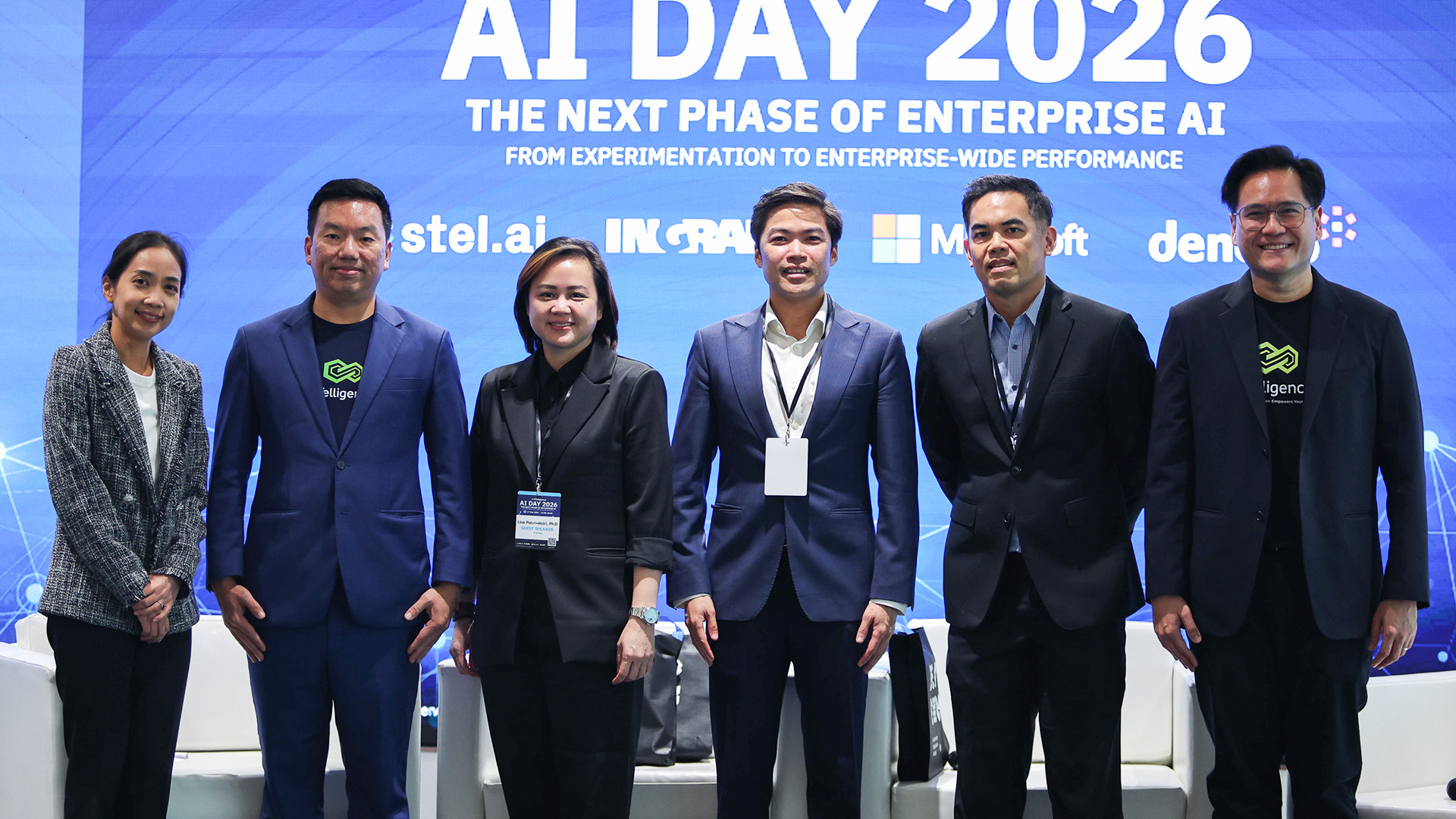
Bringing Enterprise AI into Practice
Beyond strategic discussions, the event also showcased real-world use cases and solution demonstrations reflecting STelligence’s experience in developing enterprise AI systems.
STEL.AI – AI Solutions by STelligence
Under the STEL.AI brand, the team introduced AI solutions designed specifically for enterprise environments.
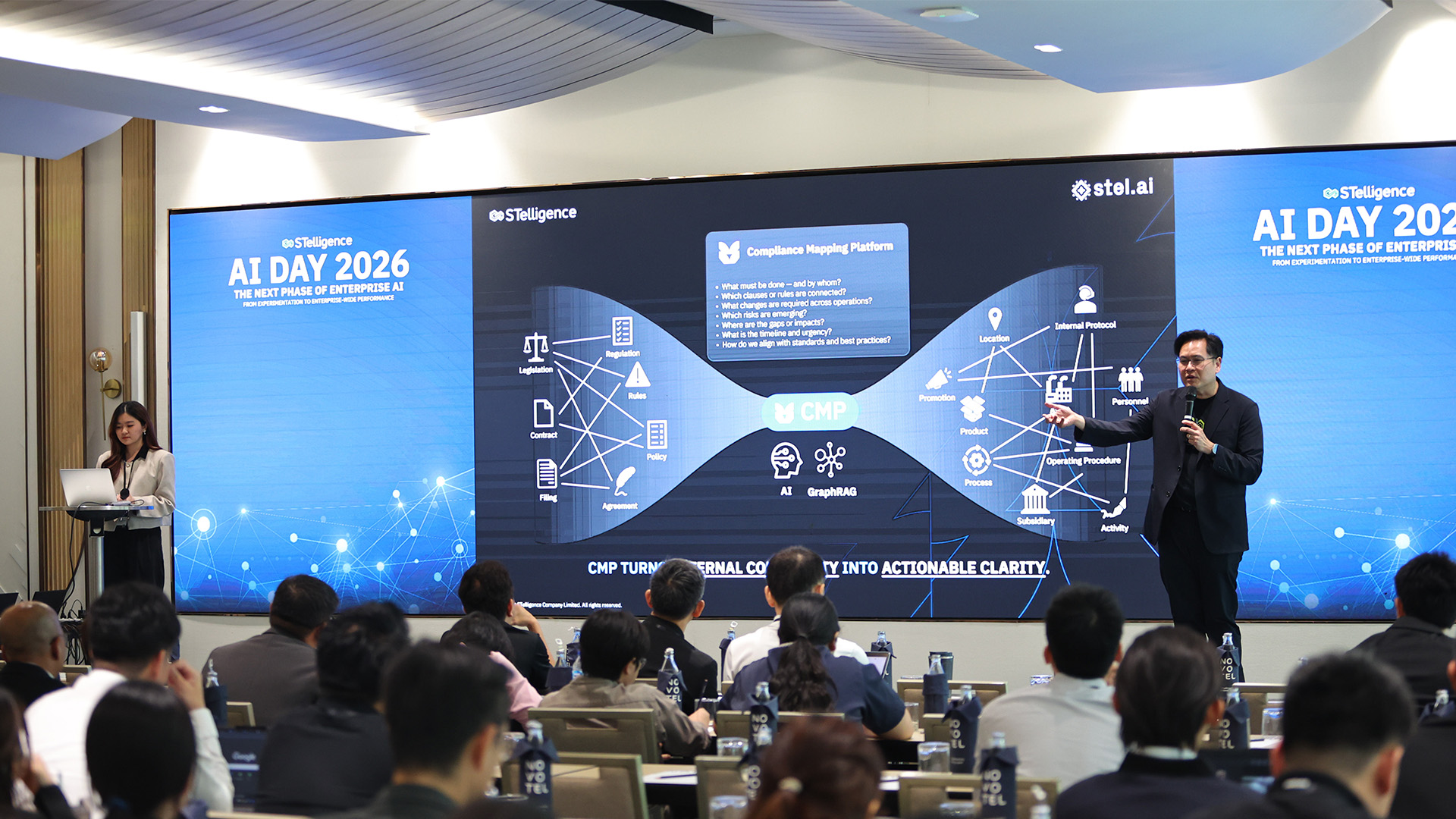
- Agentic Compliance Automation One demonstration featured the Compliance Mapping Platform (CMP), which acts as a digital compliance agent to assist organizations in reviewing critical documents used in enterprise decision-making processes. The platform leverages rule-based reasoning and explainable AI to validate document completeness, verify legal references, and ensure consistency across documentation while maintaining full auditability.
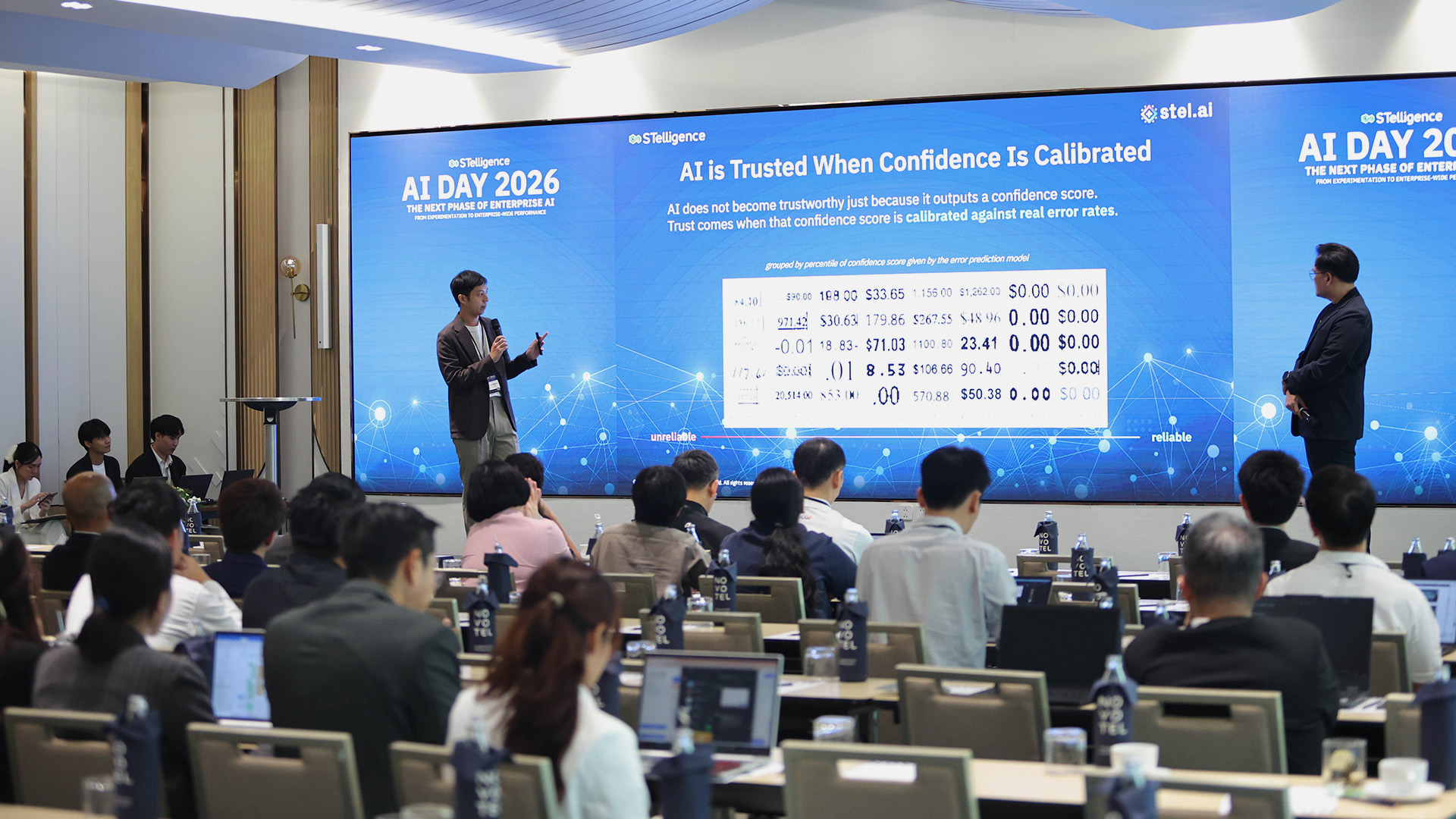
- Trusted AI for Enterprise Documents Another demonstration highlighted the Document Parser and STEL.AI Enterprise Chat Portal (ECP), enabling organizations to safely apply Generative AI to internal knowledge and enterprise documents. The solution integrates ground truth validation, OCR validation, and advanced retrieval techniques such as RAG and GraphRAG to enhance both the accuracy and reliability of AI-generated outputs.
Enterprise AI Use Cases
The event also introduced architectural approaches for deploying AI at the enterprise level.
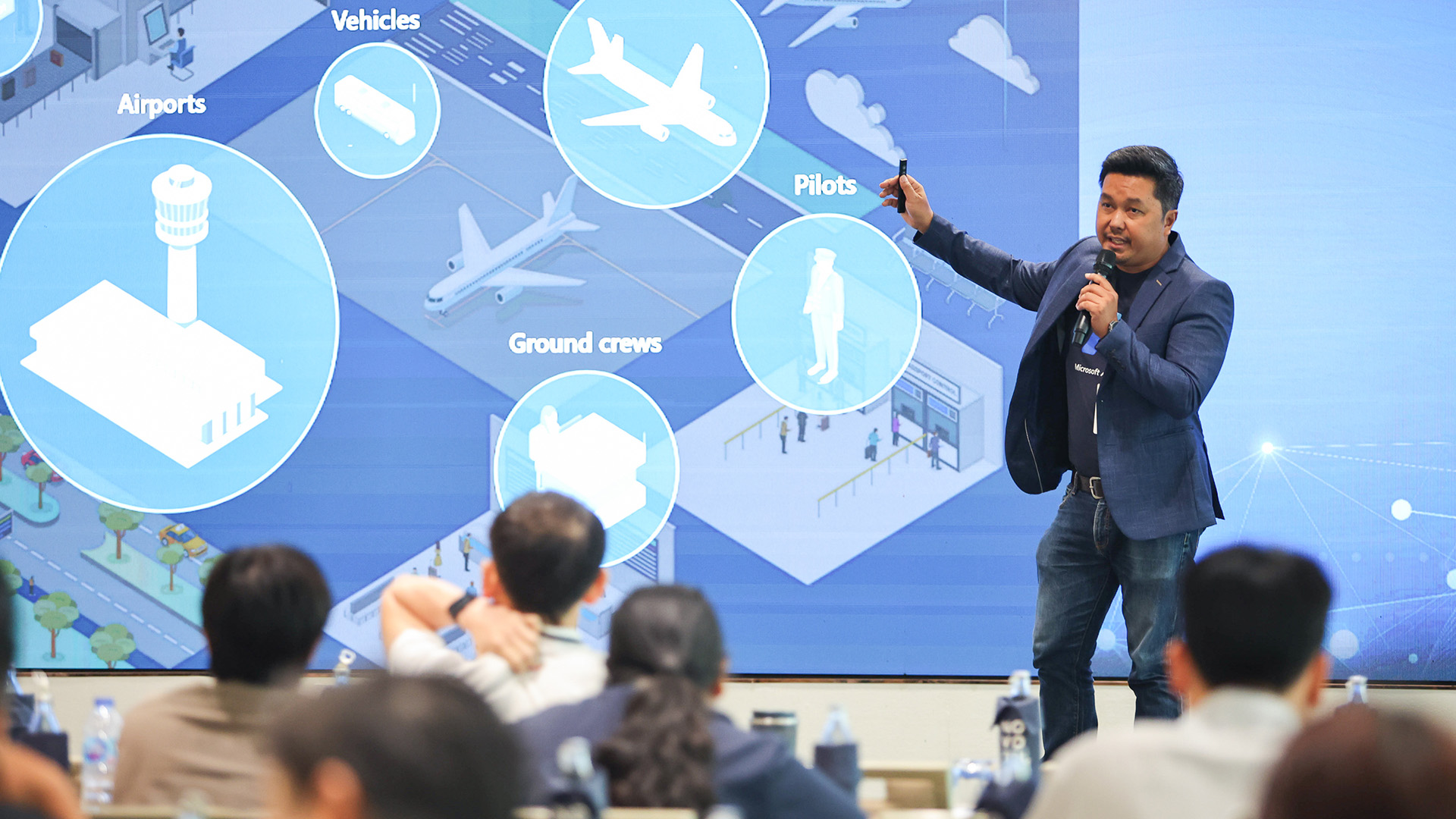
- Unified Intelligence Platform for Data and AI A modern data platform designed to integrate analytical and operational data, enabling real-time insights and supporting the orchestration of AI agents across business processes.
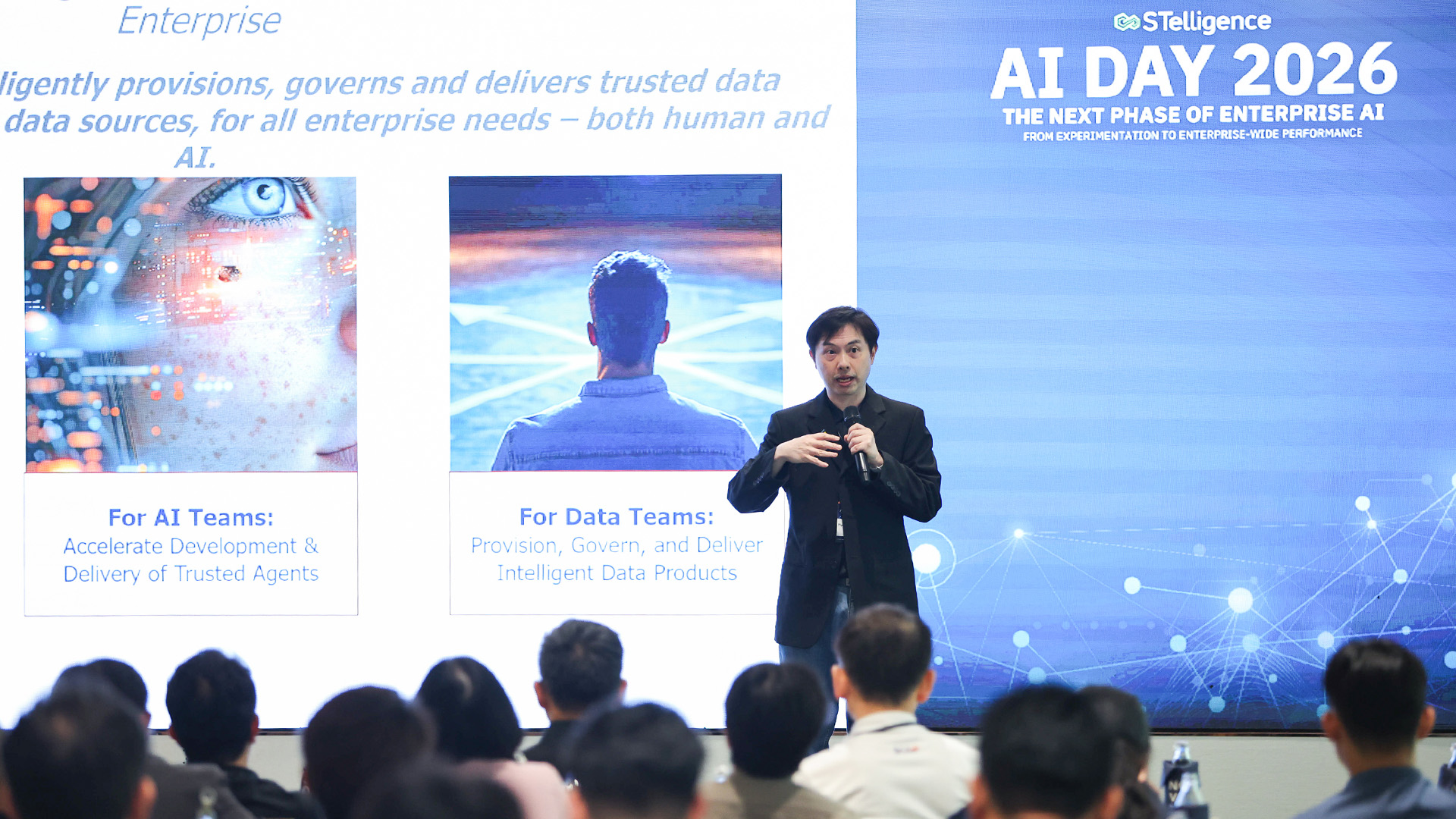
- Intelligent Data Management for AI Applications An approach to data management using the Denodo platform, which acts as a logical data platform to connect and deliver data from multiple sources through lightweight logical data integration. This approach eliminates the need to create duplicate datasets or additional storage layers as in traditional architectures, helping reduce system complexity while improving flexibility in accessing and utilizing data for AI applications.
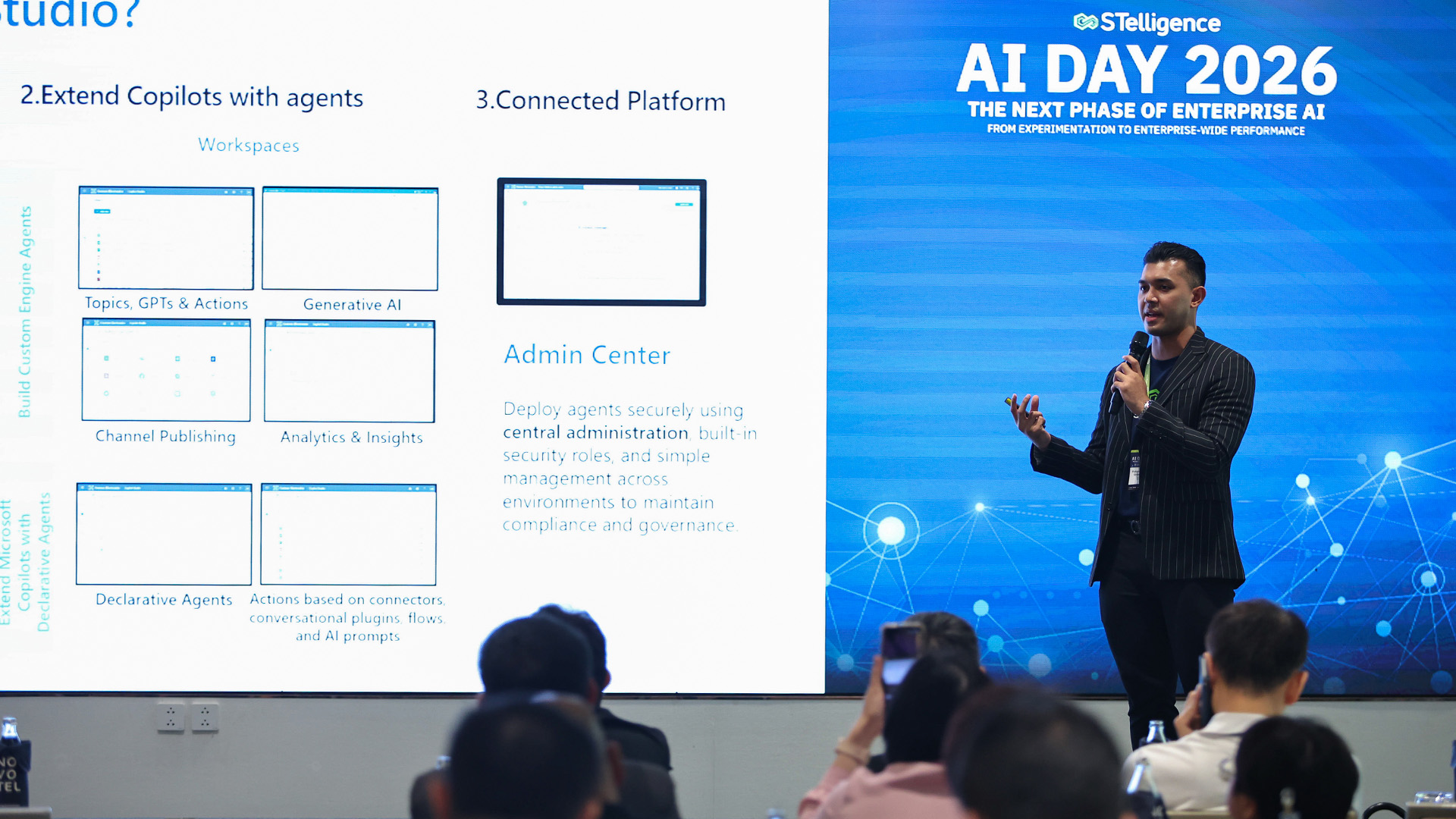
- Agentic Employee Services Another use case focused on AI agents for internal enterprise services, such as IT and HR support. Using an orchestration architecture, multiple agents can collaborate across real workflows—handling tasks such as ticket creation, status tracking, and responding to policy-related inquiries.
These examples highlight an important principle: AI that creates real enterprise value is typically embedded directly into business processes, rather than existing as standalone tools.
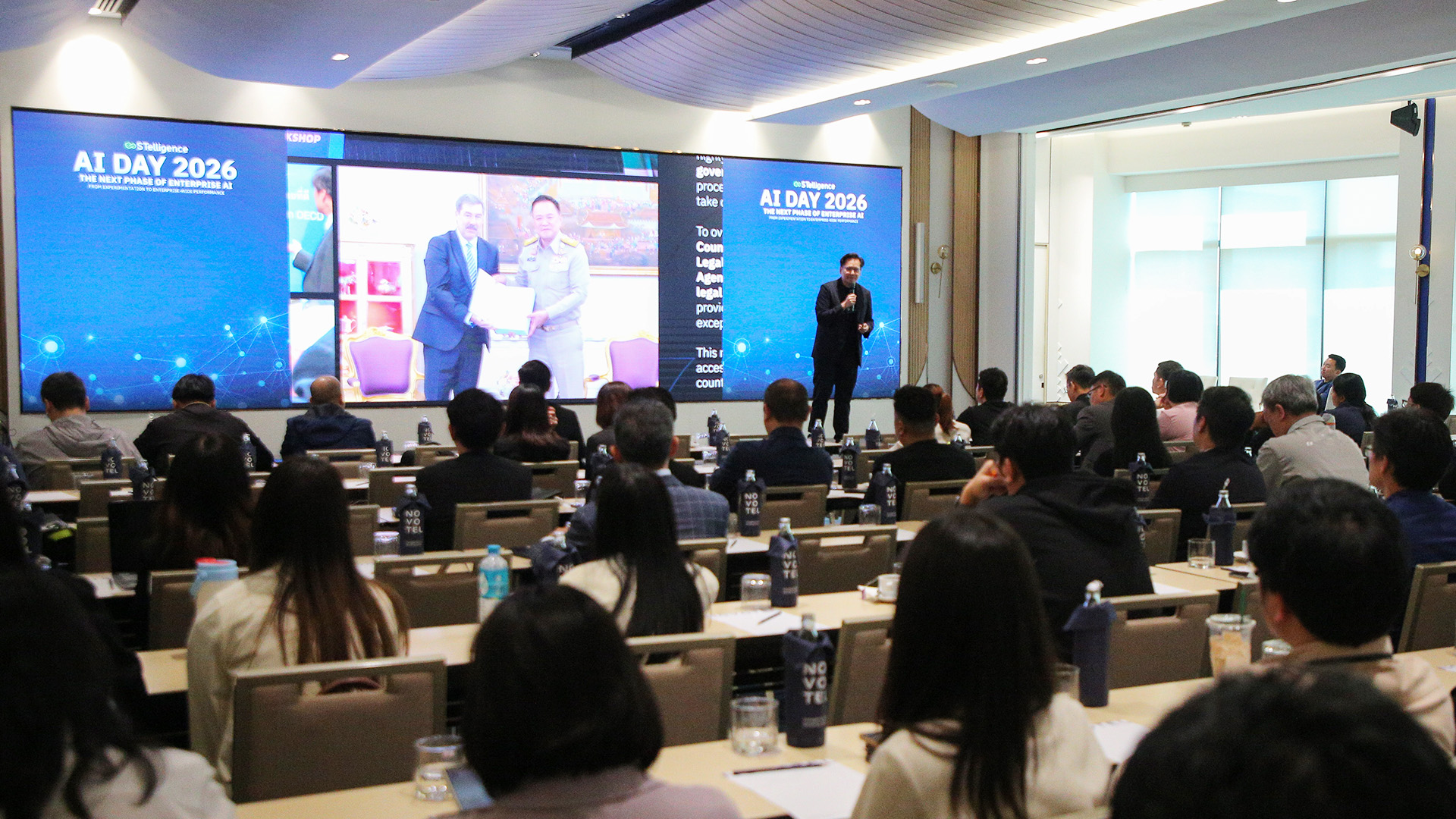
STelligence AI Solution Day 2026 demonstrated that AI is rapidly evolving from an innovative technology into a core infrastructure of modern organizations.
Enterprises that develop trusted AI systems, establish strong data foundations, and design scalable architectures will be able to elevate AI from experimental initiatives into strategic organizational capabilities.
In the next phase of Enterprise AI, success will not be determined by who has the most advanced models, but by who can integrate AI into real business processes to deliver measurable outcomes and scale its impact sustainably.
STelligence remains committed to supporting organizations in Thailand as they move toward this next phase of Enterprise AI through the development of practical AI solutions and enterprise architectures that create measurable business value and enable long-term growth.